
Core Drawing Mechanic
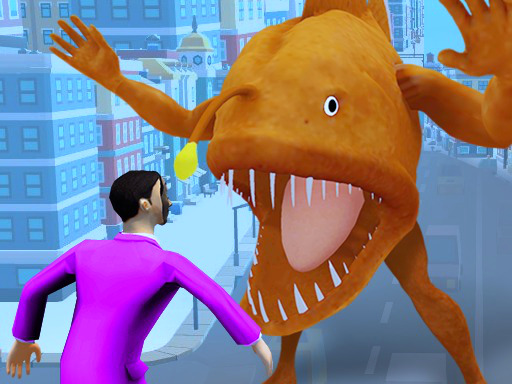
The central action in Sketch Catch Aqua Puzzle revolves around using touch or mouse inputs to create lines on the screen. These drawn lines serve as pathways that help your character reach nearby fish. Each successful contact adds to your score. The controls are intentionally straightforward, allowing players to focus on timing and positioning rather than complex button combinations. This design makes the game accessible to younger audiences while still offering depth for those seeking a relaxed challenge.
Underwater Visual Style
The game presents a three-dimensional aquatic environment filled with bright colors and smooth animations. Coral reefs, bubbles, and drifting seaweed create a calming backdrop. The character and fish are designed with a friendly, cartoon-like appearance that avoids any scary or intense imagery. This visual approach supports the family-friendly tone and makes long play sessions feel soothing rather than overwhelming.
Difficulty Ramp and Obstacles
As you progress, the speed of fish movement increases, and new obstacles appear that require careful line placement. Some obstacles block your path, while others move unpredictably, forcing you to adapt your drawing strategy. The difficulty increases gradually, giving players time to develop their skills. This ramp ensures that the game remains interesting without becoming frustrating too quickly.
Power-Up Bonuses
Periodically, special items float across the screen. Collecting these power-ups provides temporary advantages, such as slowing down time or attracting fish toward your character. These bonuses add a layer of strategic decision-making: do you risk going out of your way to grab a power-up, or stay focused on the immediate targets? The choice can affect your final score and adds variety to each playthrough.
Session Length and Replay Value
Each round of Sketch Catch Aqua Puzzle lasts only a few minutes, making it ideal for quick breaks. The scoring system encourages repeated attempts to beat personal bests. There are no penalties for failure, so players can experiment with different drawing approaches without pressure. This low-stakes environment promotes a positive loop of trying, learning, and improving.


Comments
0 comments