
Track Navigation Basics
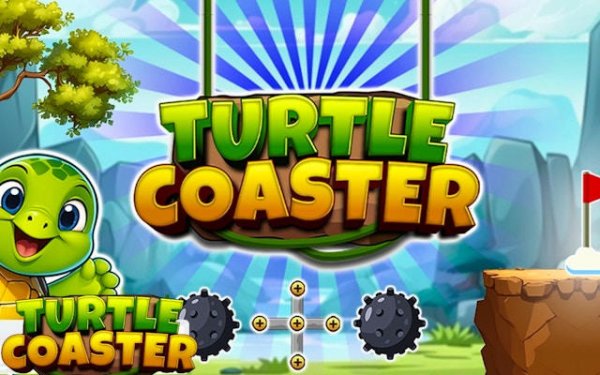
Players move a small turtle along a track that twists and turns like a roller coaster. At each section, a button must be pressed to open the gate and allow the turtle to proceed. The challenge lies in figuring out the correct order of button presses while avoiding obstacles that block the path. The controls are straightforward, using drag on touch screens or a mouse on computers. This design keeps the focus on observation and planning rather than complex inputs.
Level Design and Progression
Each new level introduces a fresh layout with different obstacles and track configurations. Early stages are simple, allowing players to learn the basic mechanics. Later stages require more careful timing and route planning. The difficulty increases gradually, so players can build their skills without feeling overwhelmed. Completing a level unlocks the next one, providing a clear sense of progress. This structure encourages players to think ahead and adapt to new patterns.
Visual Style and Atmosphere
The game uses bright, colorful graphics that appeal to younger players. The turtle character has a friendly design, and the tracks are decorated with cheerful elements. The overall look is clean and uncluttered, making it easy to focus on the puzzle. The visual style supports the family-friendly nature of the game, creating a relaxing environment. There are no dark or intense themes, which makes it suitable for children.
Session Length and Accessibility
Each puzzle can be completed in a few minutes, making the game ideal for short breaks. The hyper-casual format means there is no long-term commitment required. Players can pick up the game, solve a few levels, and put it down without losing progress. This accessibility is a key strength, as it accommodates both quick play sessions and longer periods of focused play. The simple controls also ensure that players of all skill levels can participate.
Strategic Thinking and Problem Solving
Success in this game depends on careful observation and logical reasoning. Players must examine the track layout before making any moves, identifying which buttons need to be pressed and in what sequence. Obstacles may require waiting for the right moment to proceed. This encourages a thoughtful approach rather than random tapping. Over time, players develop better strategies for navigating complex paths and avoiding mistakes.






Comments
0 comments