
The Core Puzzle Mechanic
At the heart of Path Shifter Logic Maze is a simple but deep concept: you control the environment, not the character. Your avatar moves forward on its own, and your only task is to slide tiles on the grid to form a continuous path toward the exit. This reversal of typical platformer roles forces players to think ahead and consider how each tile shift affects the entire route. Early levels offer straightforward layouts that teach the basics, but later stages introduce twists like tiles that lock after being moved or sections that require multiple shifts to connect.
Level Design and Difficulty Curve
The game presents a carefully crafted progression. Initial puzzles can be solved in a few moves, building confidence and familiarity with the controls. As players advance, the mazes grow larger and incorporate more complex tile arrangements. Some levels require precise timing, as the character may need to jump over gaps that only appear after shifting a distant tile. The difficulty increases steadily, ensuring that each new challenge feels like a natural step forward rather than a frustrating leap. Players who enjoy methodical problem-solving will find plenty to engage with here.
Visual Style and Atmosphere
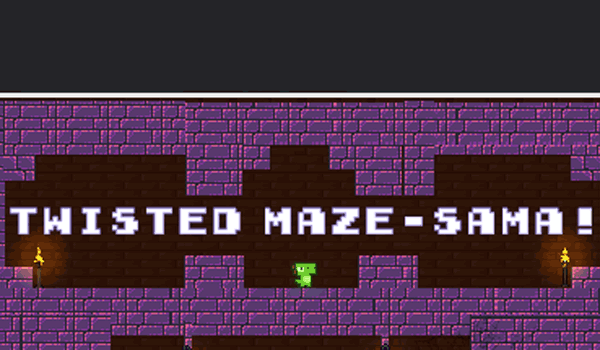
The visual design is clean and cheerful, with bright colors and simple shapes that make the game accessible to younger players. Each tile type is clearly distinguishable, so players can quickly identify movable sections, fixed walls, and the goal area. The background remains calm and uncluttered, helping players focus on the puzzle without distraction. This thoughtful approach to visual clarity supports the game's core strength: clear, logical puzzle design.
Controls and Accessibility
Path Shifter Logic Maze works equally well on desktop computers and mobile devices. On a computer, players click and drag tiles with a mouse. On touchscreens, a simple tap-and-slide gesture performs the same action. The controls are responsive and intuitive, allowing players to concentrate on solving puzzles rather than wrestling with input methods. There are no timers or pressure mechanics, so players of all ages can take as much time as they need to consider each move.
Replayability and Mastery
While each level has a single solution, the game encourages experimentation. Players can attempt to solve puzzles in fewer moves or find alternative routes that may be more efficient. Some stages hide optional collectibles that require creative tile shifting to reach. These extra goals add depth for those who want to fully master the game. The absence of time limits means that even the most challenging puzzles can be approached with patience and repeated attempts, making the experience suitable for both casual play and dedicated puzzle enthusiasts.







Comments
0 comments