
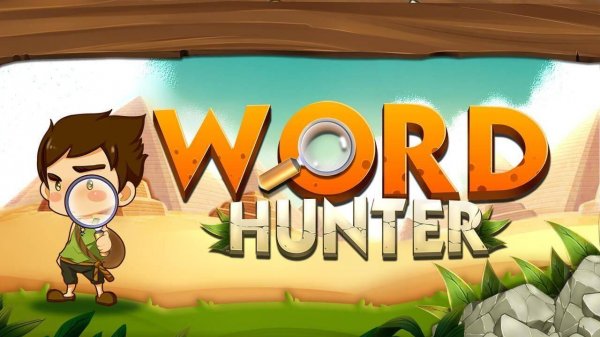
Core Puzzle Mechanics
Players receive a list of target words and a grid filled with letters. The objective is to locate each word by tracing a line through adjacent letters. Words may be arranged horizontally, vertically, or diagonally. Once a word is correctly outlined, it is marked as completed. This straightforward loop forms the foundation of every session, encouraging focused attention and systematic scanning.
Thematic Word Collections
Puzzles are organized around broad themes such as science, nature, arts, and technology. This structure introduces players to terminology from different fields while keeping the activity engaging. Each theme presents a curated set of words, allowing players to build familiarity with subject-specific vocabulary over time. The variety ensures that no two sessions feel identical.
Progression and Difficulty
Early puzzles feature smaller grids and shorter word lists, making them accessible to newcomers. As players advance, grids become larger and words grow longer or more complex. This gradual increase in difficulty helps maintain a steady learning curve without overwhelming the player. The game may include multiple puzzle sizes and configurations to sustain long-term interest.
Visual Design and User Experience
The interface emphasizes clarity and ease of use. Buttons are clearly labeled, and the letter grid is displayed with high contrast for readability. Touch controls are limited to simple tap-and-drag actions, reducing the learning barrier for younger or less experienced players. The overall aesthetic is clean and uncluttered, promoting a calm atmosphere conducive to focused play.
Strategies for Efficient Play
Experienced players often scan the grid row by row or column by column to avoid missing words. Reviewing the word list before searching helps set expectations for letter patterns. Taking short breaks when stuck can refresh perspective. Regular practice naturally improves both vocabulary and the ability to spot letter sequences quickly.




Comments
0 comments