
Core Mechanics
At its heart, Brick Tumbler is about understanding how objects interact. When you tap the screen, a ball is sent toward a structure of blocks. The ball's trajectory and the blocks' arrangement determine what happens next. A well-placed shot can cause a single block to fall, or it might set off a chain reaction that brings down an entire section. The physics engine simulates realistic collisions, weight, and momentum, so each attempt feels unique. Success comes from observing how blocks are connected and identifying which piece, if removed, will destabilize the rest.
Level Design Philosophy
Each stage presents a new arrangement of blocks, often with different shapes, sizes, and materials. Some levels feature blocks that are harder to move, while others introduce elements that rotate or shift after each shot. The difficulty increases gradually, introducing new structural puzzles without overwhelming the player. The focus is on spatial reasoning and timing, not speed. This design makes the game accessible to newcomers while still offering a challenge for those who enjoy optimizing their shots.
Visual Style and Atmosphere
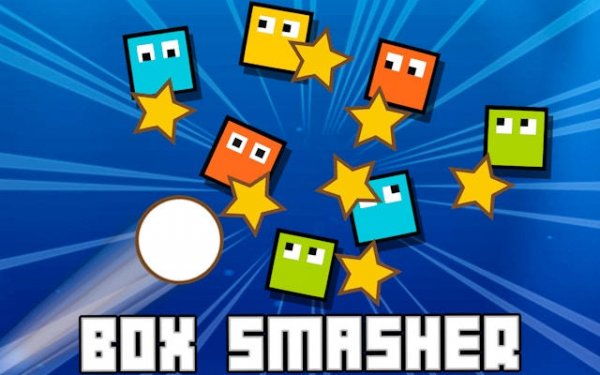
The game uses bright, clean colors and simple geometric shapes. Blocks are distinct and easy to see, and the background remains uncluttered. When blocks fall, they break apart with a soft visual effect, and the screen gives clear feedback on your score. The overall look is cheerful and modern, creating a relaxing environment. There are no flashing lights or distracting animations, which helps maintain a calm focus during play. The interface is minimal, with only essential information displayed.
Progression and Scoring
As you clear blocks, you earn points. The more blocks you clear with a single ball launch, the higher your score multiplier becomes. This encourages players to aim for efficient shots that maximize the cascade effect. Progressing through levels unlocks new formations and occasionally introduces new block types. The game tracks your best score on each stage, giving you a reason to revisit earlier levels and try to improve. There is no time limit, so you can take as long as you need to plan each move.
Tips for Better Play
To improve your results, start by studying the structure before you tap. Look for blocks that support many others above them. Aiming for these key points often leads to larger collapses. If a shot doesn't work as expected, note how the blocks moved and adjust your aim. Practice helps you develop a feel for how the ball bounces and how blocks react. Staying patient and learning from each attempt is more effective than rushing through levels.




Comments
0 comments